Facials & Medi-Facials
Clinical facials that cleanse, hydrate and refresh — matched to your skin, not a fixed menu.
Our facials and medi-facials are dermatology-led treatments designed to deep-cleanse, hydrate and give your skin a temporary, healthy glow. At Auresca Care in Gurugram we choose the right facial for your skin type and concern, and we are honest about what a facial does and what it does not: it maintains and refreshes, it does not replace medical treatment for active acne or pigmentation.
Session time
30–60 minutes
Downtime
None to minimal
Glow appears
Same day, builds with upkeep
Comfort
Relaxing, non-invasive
Best as
Regular monthly upkeep
Supervision
Dermatology-led
How a clinical facial actually works
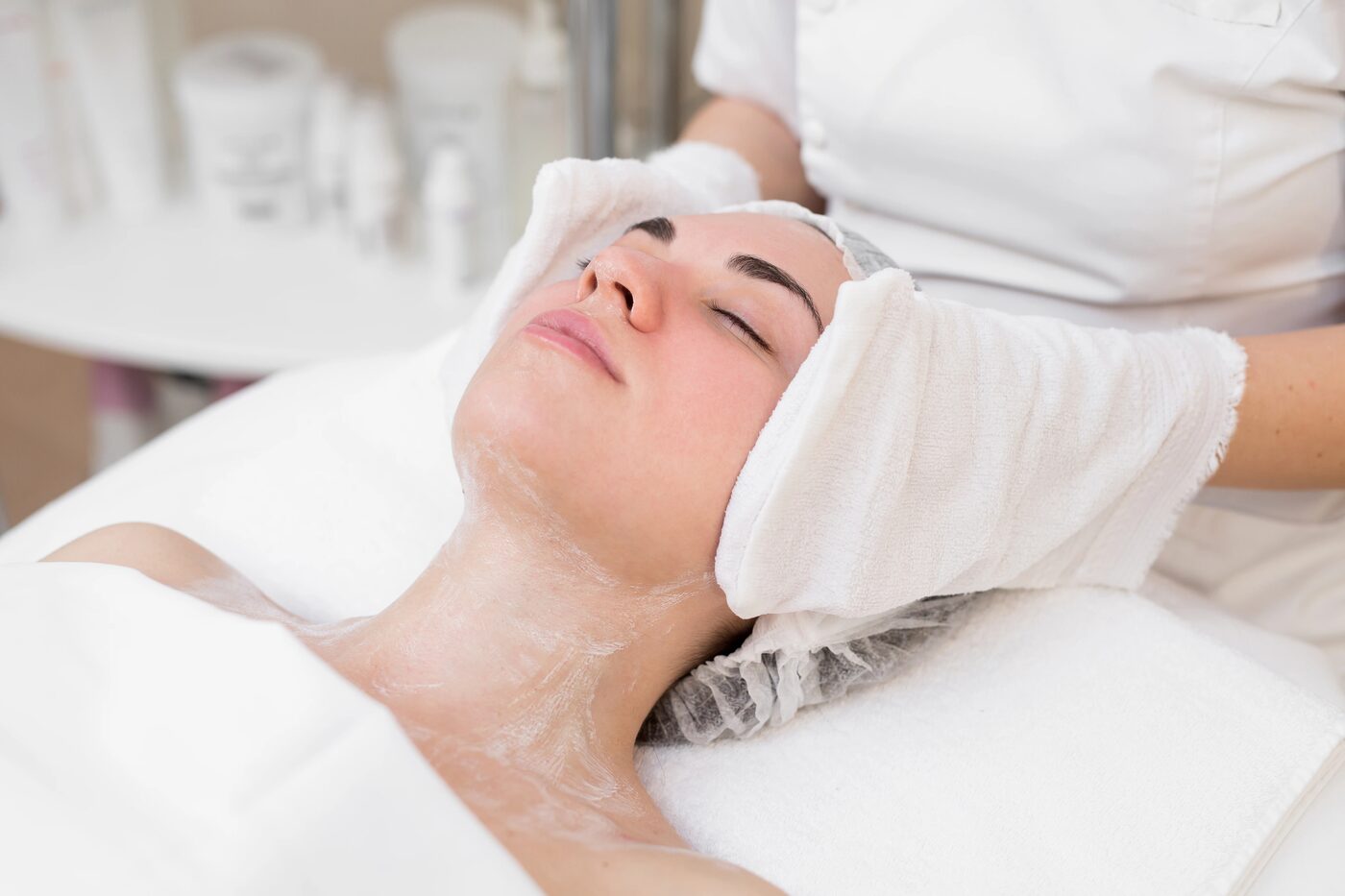
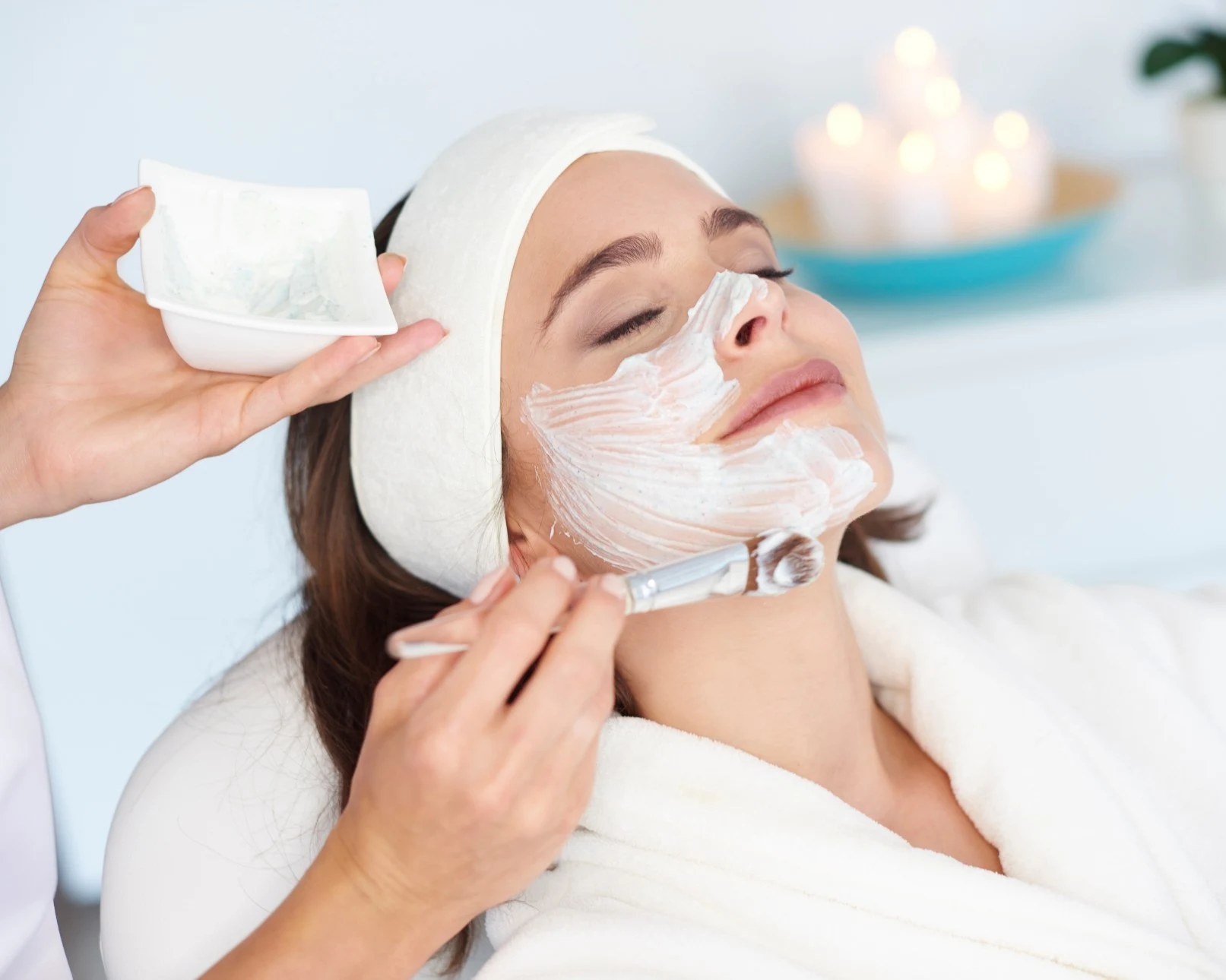
A facial is a structured routine of cleansing, exfoliation, extraction, treatment and hydration performed on the skin's surface. Its job is to remove the build-up of dead cells, oil and debris that dulls the complexion and clogs pores, then to deliver hydrating and soothing ingredients so the skin looks clearer, softer and more even. The result is a temporary glow — skin that reflects light more evenly because the surface is smoother and better hydrated.
A medi-facial goes a step further than a spa facial by using clinical-grade actives, controlled exfoliation and, in some cases, devices such as vacuum extraction, radiofrequency or lasers. Because these are stronger tools, they are chosen and supervised with your skin type in mind. This is why we assess your skin first rather than offering a single fixed facial to everyone — oily, acne-prone, dry, sensitive and pigmented skins each respond differently, and the wrong exfoliation can irritate rather than help.
It is worth being clear about the limits. A facial maintains and refreshes; it does not replace medical treatment for active acne, melasma or deeper pigmentation, which need targeted therapy over time. Think of facials as upkeep between, or alongside, any medical plan — most people notice their skin looks brighter and feels smoother for a week or two, and that this builds with regular, sensible upkeep rather than one dramatic session.
What a facial at Auresca looks like
Every facial begins with a short skin assessment so we choose the right one for you on the day. The steps below are the general shape of a session; the actives and devices vary by facial type.
- 1
Assess & cleanse
We look at your skin type, hydration and any concerns, then double-cleanse to remove make-up, sunscreen and surface oil so the skin is a clean canvas.
- 2
Exfoliate & extract
Gentle exfoliation lifts dead cells, and where appropriate we clear congested pores — by hand or with vacuum-assisted extraction — to reduce blackheads and blockages.
- 3
Treat
The core of the facial: a mask, serum, peel, radiofrequency or laser pass tailored to your skin, delivering hydration, brightening or soothing actives.
- 4
Hydrate & protect
We seal the skin with a hydrating layer and finish with broad-spectrum sunscreen, then talk you through simple aftercare and when to return.
The facial menu
These are the facials we offer most often in Gurugram. Which one suits you depends on your skin type and goal — we will recommend at your consultation rather than asking you to choose blind.
Signature medi-facials
| Facial | Typical course | From |
|---|---|---|
| HydraFacial | Single or course of 4–6, then monthly upkeep | On request |
| Carbon Facial | Course of 4–6, spaced 2–4 weeks | On request |
| Q-Switch / Instabright | Course of 4–6, spaced 2–4 weeks | On request |
| RF Facial | Course of 4–6, then monthly upkeep | On request |
Classic & express facials
| Facial | Typical course | From |
|---|---|---|
| Medi Facial | Single or monthly upkeep | On request |
| Mud Facial | Single or every 3–4 weeks for oily skin | On request |
| Fruit Facial | Single or monthly upkeep | On request |
Frequencies are typical guidance, not fixed rules; sensitive or reactive skin may need more space between sessions. A single facial refreshes the skin; a short course gives a more even, lasting result.
The devices and actives behind each facial
Not every facial uses a device, and that is by design. Here is what the main options actually do, so you understand what you are choosing.
HydraFacial — cleanse, extract, hydrate
A vortex handpiece cleanses and exfoliates, then uses gentle suction to clear pores while simultaneously infusing hydrating and antioxidant serums. It suits most skin types and is a comfortable, no-downtime way to deep-clean and hydrate in one pass.
Carbon & Q-Switch lasers
A carbon facial applies a fine carbon layer that absorbs into pores, then a Q-switch laser passes over to gently exfoliate, reduce oil and refine the look of pores. Used alone, the Q-switch (Instabright) helps even out dullness and mild surface pigmentation for a brighter finish.
Radiofrequency (RF)
RF energy warms the deeper layers of the skin to encourage firmness and a temporary tightening effect, paired with hydration. It adds a toning element to a facial but is a gradual, cumulative treatment rather than a one-session change.
Masks & mild actives
Mud, fruit-enzyme and clinical serum masks do the quieter work — clay and mud draw out excess oil for oily skin, fruit enzymes lightly brighten, and hydrating serums calm and plump. Simple, gentle, and easy to repeat regularly.
Is a facial right for you?
Facials suit you if
- You want to maintain clear, hydrated, healthy-looking skin between or alongside medical treatments
- Your skin looks dull, congested or dehydrated and you want a refresh before an event
- You have mild oiliness, blackheads or uneven tone and want gentle, regular upkeep
- You prefer a comfortable, no-downtime treatment you can fit around daily life
- You want expert guidance on which facial actually suits your skin type
Better to wait or see us first if
- You have active, inflamed or cystic acne — this needs medical treatment first, not exfoliation
- You have an active skin infection, cold sore or open, broken or sunburnt skin
- You have very reactive or recently lasered skin that needs time to settle
- You are seeking treatment for melasma or deeper pigmentation, which needs a targeted medical plan
- You are pregnant — we will simply adjust to gentle, pregnancy-safe options
Before and after your facial
Facials are low-maintenance, but a little care on either side helps the skin respond well and keeps the glow for longer.
Before your facial
- 01Avoid strong exfoliating acids or retinoids for 2–3 days beforehand so skin is not over-sensitised
- 02Come with clean skin where possible, and tell us about any recent treatments or medications
- 03Reschedule if you have active breakouts of cold sores, sunburn or broken skin
- 04Avoid waxing or threading the facial area on the same day
After your facial
- 01Keep skin simple for 24 hours — a gentle cleanser and moisturiser are enough
- 02Wear broad-spectrum sunscreen daily; skin is a little more sun-sensitive after exfoliation
- 03Hold off on strong actives, scrubs and retinoids for 2–3 days
- 04Avoid heavy sweating, saunas and hot yoga for the rest of the day, especially after a laser or RF facial
- 05Mild redness or a warm flush can occur and usually settles within a few hours
What results to expect
A facial gives an immediate refresh; regular upkeep is what keeps skin looking consistently clear.
Most people notice their skin looks brighter and feels smoother and cleaner straight after a facial, with the glow typically lasting around one to two weeks. This is a temporary, surface-level effect — the skin is more hydrated and evenly textured, so it catches the light better.
The more lasting benefit comes from rhythm rather than intensity. Skin that is deep-cleaned and hydrated on a regular schedule tends to stay clearer and more balanced over time, which is why we usually suggest monthly upkeep rather than occasional one-offs. Device-based facials such as RF build their effect gradually over a course.
We will always be honest about what a facial can and cannot do. If your real concern is persistent acne or pigmentation, we will say so and point you towards the right medical treatment, using facials as supportive upkeep alongside it.
Same day
Cleaner, smoother, more hydrated skin with a fresh glow; any mild redness settles within hours.
1–2 weeks
The glow holds and skin typically looks more even and refreshed before gradually returning to baseline.
Over a course
With RF, carbon or Q-switch courses, most people notice a more even tone and refined texture building session by session.
With upkeep
Monthly facials help maintain clearer, balanced skin, supporting rather than replacing any medical routine.
Facials & Medi-Facials — your questions
The basics
A medi-facial is a dermatology-led facial that uses clinical-grade actives and, in some cases, devices such as vacuum extraction, radiofrequency or lasers. Compared with a salon facial it is chosen and supervised for your specific skin type, with more emphasis on results and safety than on relaxation alone — though it is still a comfortable treatment.
A HydraFacial uses a vortex handpiece to cleanse, gently exfoliate and extract from the pores while infusing hydrating serums in one pass. The fresh, hydrated glow is usually visible the same day and typically lasts around one to two weeks, which is why many people repeat it monthly.
A regular facial relies mainly on manual cleansing, masks and hand extraction. A HydraFacial adds controlled suction to clear pores and simultaneously delivers serums into the skin, so it tends to be more thorough and consistent, with no downtime. Both refresh the skin; the HydraFacial is simply a more clinical, device-based version.
Most facials at our Gurugram clinic take around 30 to 60 minutes depending on the type, plus a short skin assessment beforehand. There is little to no downtime, so most people return to their day straight afterwards.
A carbon facial applies a fine carbon layer that settles into the pores, then a Q-switch laser passes over it to gently exfoliate, reduce surface oil and refine the look of pores. It suits oily and dull skin that wants a brighter, cleaner finish, and is best done as a short course.
Which facial is right for me
For oily skin without active inflammation, a HydraFacial, mud facial or carbon facial can help clear congestion and manage oil. If you have active or cystic acne, we would treat that medically first rather than exfoliate over it — a facial maintains skin, it does not replace acne treatment.
A HydraFacial is a strong choice for dull, dehydrated skin because it deep-cleans and infuses hydrating serums in one go. A Q-switch or Instabright facial can also help brighten a tired, uneven complexion. We will match the facial to your skin at your consultation.
An RF facial uses radiofrequency energy to gently warm the deeper layers of the skin, adding a firming and toning element alongside hydration. It is a gradual, cumulative treatment done over a course, rather than a single dramatic session — a good option if you want subtle firmness as well as a glow.
Certain facials can help acne-prone skin by keeping pores clear and controlling oil, but only when the acne is mild and not actively inflamed. For moderate to severe or cystic acne, medical treatment comes first, and facials play a supporting maintenance role once things are under control.
You do not have to choose alone. We assess your skin type, hydration and concerns on the day and recommend the facial that fits, rather than asking you to pick blind from a menu. Your skin can also change with season and routine, so the right facial may vary over time.
During & after
Facials are relaxing and non-invasive, with little to no downtime. You may feel mild warmth, tingling or light suction depending on the type. Laser and RF facials can leave a temporary warm flush or mild redness that usually settles within a few hours.
We usually suggest keeping skin bare for the rest of the day so it can breathe and absorb the actives, but light make-up the next day is fine for most people. The main essentials are gentle products and daily sunscreen for a couple of days afterwards.
For 2–3 days, avoid strong exfoliating acids, scrubs and retinoids. For the rest of the day, skip heavy sweating, saunas and hot yoga, especially after a laser or RF facial, and always use broad-spectrum sunscreen as skin is a little more sun-sensitive after exfoliation.
Mild redness or a warm flush is common and usually settles within a few hours. Occasionally, extraction can bring a blocked pore to the surface over the next day or two. If you notice persistent redness, irritation or breakouts, let us know so we can adjust the next facial.
Suitability & safety
Yes, with the right choice. For sensitive or reactive skin we favour gentle, hydrating facials and avoid aggressive exfoliation or strong actives. Telling us about your skin's history helps us pick a calming option and space sessions sensibly.
Many gentle, hydrating facials are suitable during pregnancy, but we avoid certain actives and some device-based treatments as a precaution. Let us know you are pregnant and we will simply adjust to a safe, comfortable option.
Avoid facials on active skin infections, cold sores, open, broken or sunburnt skin, or over active inflamed acne. If your skin has recently been lasered or is very reactive, it is best to let it settle first. When in doubt, we will assess and advise before treating.
Facials can help with mild dullness and surface unevenness, but they do not treat melasma or deeper pigmentation, which need a targeted medical plan over time. We are honest about this — where pigmentation is the real concern, we will recommend the right medical treatment and use facials only as supportive upkeep.
Yes. Facials work the same way regardless of gender and are a straightforward way to manage oil, congestion and dullness. We tailor the facial to your skin type and concerns, not to any assumptions.
Results & upkeep
For most people, monthly upkeep works well to keep skin clear, hydrated and balanced. Device-based facials such as carbon, Q-switch or RF are usually done as a short course of 4–6 sessions spaced two to four weeks apart, then maintained monthly. We will suggest a rhythm that fits your skin and schedule.
Most people notice a brighter, smoother look the same day, with the glow typically lasting around one to two weeks before gradually returning to baseline. It is a temporary, surface-level effect, which is why regular upkeep keeps skin looking consistently fresh.
A single facial gives a genuine refresh and is perfect before an event. A short course tends to give a more even, longer-lasting result, particularly with device-based facials where the effect builds session by session. We will only suggest a course where it genuinely helps.
No, and we would not present it that way. A facial maintains and refreshes the skin but does not replace medical treatment for acne, melasma or deeper pigmentation. The best approach is usually a medical plan for the underlying concern, with facials as supportive upkeep alongside it.
Yes. We offer a free consultation at our Gurugram clinic where we assess your skin and recommend the facial that genuinely suits you, along with a sensible frequency. There is no pressure to book a course — just honest guidance on what will help your skin.
Start with a conversation, not a package
Your first consultation is complimentary. We'll assess your skin and hair, run a patch test where it's needed, and give you a plan and a price in writing, with no obligation to book.
2nd Floor, 594 P, Golf Course Road, Sector-43, Gurugram, Haryana 122009